
What Is the Best Material for Patio Furniture?
Choosing patio furniture is easier once you stop looking only at the style and start thinking about the material. The frame, weave, timber, and fabric will decide how well the furniture handles sun, rain, moisture, daily use, and the odd forgotten cushion left outside overnight.
There is no single best material for every patio. A covered deck, a windy balcony, and an open garden patio all need slightly different furniture. The right choice is the one that suits your weather, how often you use the space, and how much maintenance you are willing to do.
Think About Where the Furniture Will Sit
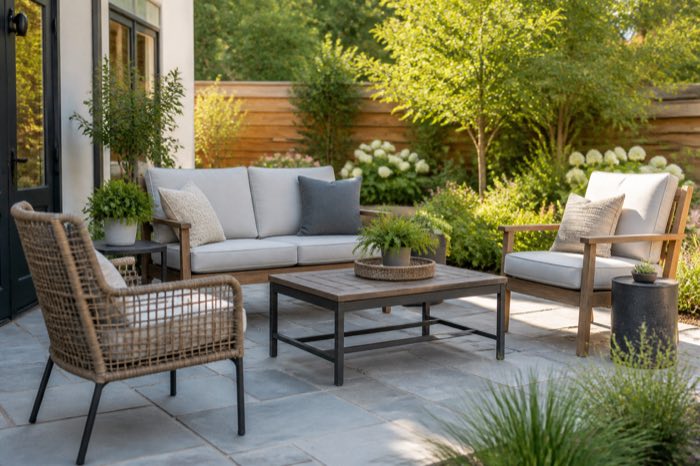
Before comparing materials, look at the patio itself. Furniture that sits under a roof has a much easier life than furniture that stays in direct sun and rain all year. If your patio is open, you will want materials that can deal with moisture and UV exposure without fading, swelling, rusting, or becoming brittle too quickly.
It is also worth thinking about weight. Lightweight chairs are easy to move around, but they can be a nuisance in windy areas. Heavier pieces feel more settled, especially on larger decks, but they are harder to store when the weather turns.
Wood Gives a Warm, Natural Look
Wood is popular because it looks good in almost any outdoor space. Teak, cedar, acacia, and eucalyptus are common choices for patio furniture, although they do not all perform the same way. Teak is usually the stronger option because it has natural oils that help it resist moisture, but it is also one of the more expensive choices.
If you like the look of wood, be honest about the upkeep. Some people enjoy oiling, cleaning, and letting the timber age naturally. Others would rather have furniture that can simply be wiped down and left alone. Wood can last for years, but it does need some care if you want it to keep its colour and avoid cracks.
Metal Is Strong, But Check the Finish
Metal furniture is a good option if you want something sturdy. Aluminium is lighter and does not rust in the same way as iron or steel, which makes it useful for many patios. Wrought iron and steel can be very durable too, but they need a proper protective coating. Once that coating chips, moisture can get in and rust can start to form.
Powder-coated metal is usually a better bet than painted metal for outdoor use. It gives the frame a tougher finish and helps it stand up to everyday knocks, sun, and rain. If you are buying metal furniture, check the joints, legs, and underside of the frame, as those are the areas where cheaper pieces often show their age first.
Wicker Looks Relaxed, But Material Matters
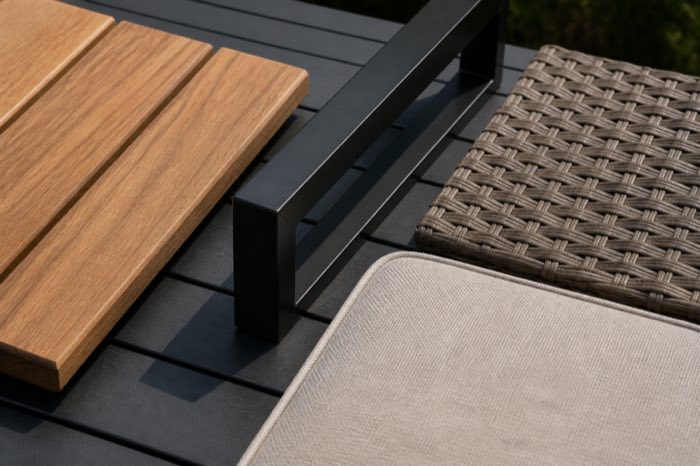
Wicker furniture has a softer, more relaxed look, which is why it is common on patios and garden decks. The important point is that wicker refers to the weave, not always the material. Natural wicker can look beautiful, but it is not the best choice for furniture that will be exposed to regular rain or strong sunlight.
For outdoor use, synthetic resin wicker is usually more practical. It handles moisture better, is easier to clean, and does not require as much attention as natural wicker. Even then, quality matters. A tight, even weave and a strong internal frame will last much longer than thin, loose woven furniture that starts sagging after one season.
Plastic and Resin Can Be Practical
Plastic furniture is not always the most stylish option, but it can be useful, especially if you want affordable seating that is easy to move, wash, and store. Higher-quality resin furniture can also hold up well outdoors and is often better than very cheap plastic that fades or cracks after too much sun.
If you choose plastic or resin, look for pieces with a solid feel and UV resistance. Very light furniture may be convenient, but it can also blow around easily and may not feel comfortable for long meals or relaxed afternoons outside.
Do Not Forget the Cushions
The frame gets most of the attention, but cushions often wear out first. Outdoor cushions should use fabric made for sun and moisture exposure. Removable covers are helpful because they can be cleaned more easily, and cushions that dry quickly are better for patios where rain is common.
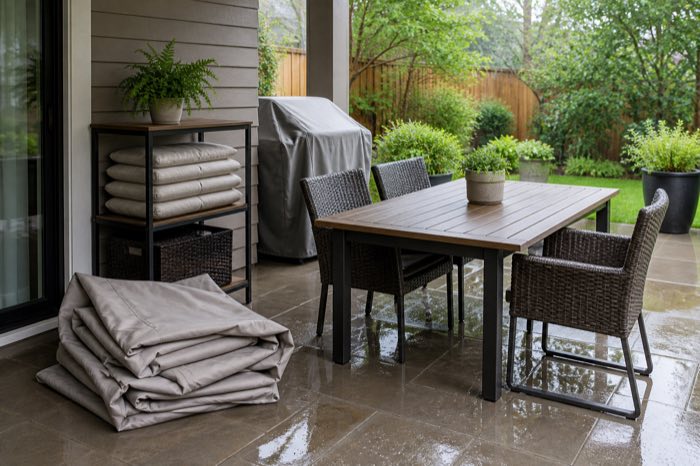
Even good outdoor cushions will last longer if they are stored when not in use. A storage box, covered shelf, or dry indoor space can make a big difference, especially during wet seasons.
The Takeaway
If you want the most durable option and do not mind spending more, teak and well-finished metal are strong choices. If you want a relaxed look with easier maintenance, resin wicker is a sensible option. If budget and convenience matter most, good-quality resin or plastic furniture can still do the job, especially in a covered space.
The best patio furniture material is the one that matches your climate, your budget, and the way you use the space. Buy with those three things in mind, and you are far more likely to end up with furniture that still looks good after more than one summer.